The Post-Social Author: Building Strategic Moats in the Attention Economy

A strategic analysis of the shift from algorithmic dependence to direct sales and email sovereignty. Why the most successful authors are leaving social media to
The Collapse of Algorithmic ROI
For years, the industry directive was clear: be everywhere. Authors were encouraged to fracture their attention across TikTok, Instagram, and Twitter (X), often at the expense of their core competency: writing. However, the wind is shifting. As discussed in recent analysis from The Creative Penn, we are seeing a strategic withdrawal from social platforms by established authors.
The logic is mathematical. Social media platforms function on a "rented land" model where organic reach is systematically throttled to force ad spend. An author with 10,000 followers may only reach 2% of them without paying. In contrast, owned channels—specifically email—retain their efficacy regardless of platform policy changes. The trade-off for mental clarity and focus, once seen as a risk, is now a competitive asset.
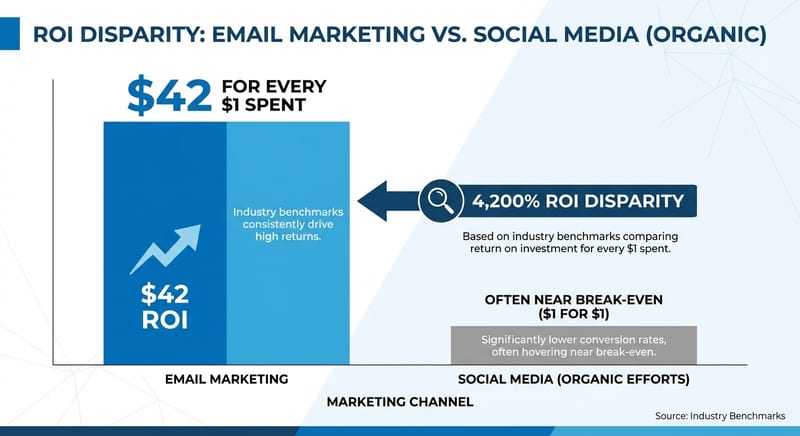
This disparity illuminates the inefficiency of social media as a primary sales channel. While useful for top-of-funnel brand awareness, it is statistically poor at closing transactions compared to the intimacy and permission inherent in an inbox. The modern author strategy is not to broaden the funnel, but to deepen it.
Nuance: The Attention-Production Tradeoff
The hidden cost of social media is not just ad spend; it is cognitive load. Writing a book requires deep work—sustained, uninterrupted concentration. Social media demands the opposite: rapid, fragmented context switching. You cannot operate in a state of 'ferocious self-editing' while simultaneously worrying about algorithm trends.
Authors who leave social media often report an increase in production velocity. By reclaiming the 2-3 hours daily spent on scrolling and posting, they can produce an additional book per year. In a backlist-heavy business model, that additional asset yields higher long-term dividends than any viral tweet.
Product Quality as Marketing Leverage
In a market flooded with AI-generated content and rapid-release drafts, quality has transitioned from an artistic preference to a market differentiator. Jerry Jenkins’ compendium of advice emphasizes that the author must become a "ferocious self-editor." This is not merely craft advice; it is business advice. A book that is not rigorously polished will trigger negative reviews, effectively killing its marketing potential before it begins.
The most effective marketing asset is a book that compels a reader to finish it and recommend it. Word of mouth remains the only viral mechanism that cannot be algorithmically suppressed. Therefore, the time spent editing—ensuring you are happy with every word before submission—is directly attributable to Customer Acquisition Cost (CAC) reduction.
Nuance: The Narrative Database
High-quality writing stems from high-quality inputs. The concept of the "Intentional Story Teller" suggests that authors must treat their life experiences as data. As noted by David Cummings, capturing anecdotes, witty sayings, and observations in a dedicated note-taking app builds a "personal library" of stories.
This practice allows the author to elevate their marketing copy as well. The same anecdote that enriches a chapter can be repurposed for a compelling email newsletter or a podcast appearance. It ensures that your content output is consistent and deeply personal, which is the antidote to AI commoditization.
"Like any skill, storytelling can be improved with practice. The more you write, the better you speak and communicate. - David Cummings"
The Direct Sales Imperative
The logical conclusion of leaving social media is the embrace of Direct Sales. If you are not relying on Amazon's algorithm to find readers, you do not need to pay Amazon's 30-70% "discovery tax." Platforms like Shopify and WooCommerce allow authors to transact directly with their "True Fans." This model shifts the focus from volume (selling cheap books to strangers) to value (selling premium experiences to fans).
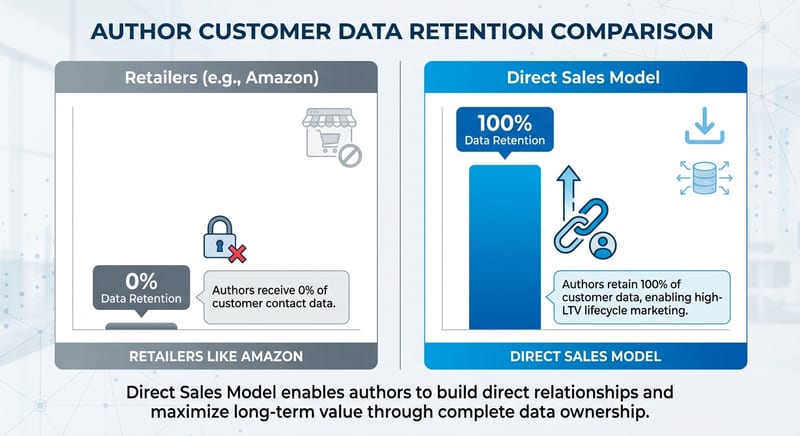
Direct sales require a mental shift. You are no longer just an author; you are a retailer. This means you own the customer service experience, the file delivery, and the upsell path. However, it also means you own the data. When a reader buys from you directly, you secure the ability to retarget them forever, bypassing the gatekeepers entirely.
Nuance: Community as a Product
Direct sales is not just about selling files; it is about selling access. The rise of workshops and community-based learning, as seen in the Writers Together Fiction Workshop, demonstrates that readers and aspiring writers crave connection. They want to be in the room.
For non-fiction authors, this might look like a mastermind group. For fiction authors, it might be a paid book club or a lore-building discord. The value proposition moves beyond the text on the page to the interaction around the text. This is something Amazon cannot sell.
- Bundling: Offer the ebook, audiobook, and a digital guide for a single price, increasing Average Order Value (AOV).
- Exclusivity: Release chapters or bonus stories to direct buyers 30 days before they hit retailers.
- Merchandise: Integrate print-on-demand merchandise directly into the checkout flow.
The Email List: The Sovereign Database
If social media is the town square, the email list is your living room. It is the only channel where you have reasonable control over who sees your message and when. Building a "Sovereign Database"—a list of subscribers that you can export and move to any provider—is the single most important asset valuation metric for an author business.
The strategy here is not "newsletters" in the traditional sense. It is automated value delivery. Using the "storytelling" techniques mentioned earlier, authors should craft automated sequences that welcome new readers, introduce them to the backlist, and share personal insights that deepen the bond. This runs 24/7, independent of your presence on social media.
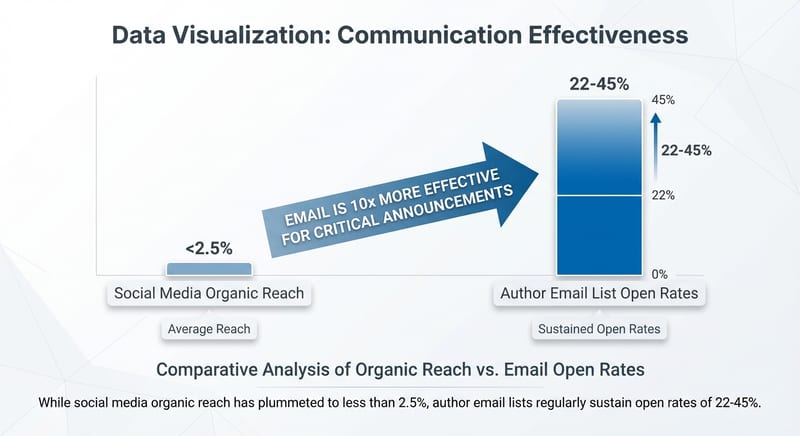
This stability is what allows for long-term planning. You cannot plan a book launch around a viral algorithm spike that may never happen. You can plan a launch around an email list with a known open rate and conversion metric. Predictability is the hallmark of a mature business.