The 2026 Book Marketing Ecosystem: Moving Beyond the Launch to Direct-to-Consumer Sovereignty

A definitive analysis of the 2026 book marketing landscape. We explore the shift from algorithmic dependence to direct sales, metadata engineering, and the risi
The Metadata Foundation: Engineering Discoverability
Before discussing promotional spend or creative assets, one must address the technical architecture of the book itself. In the digital shelf environment, metadata is not merely administrative; it is the primary engine of organic discoverability. As Manuscript Report notes in their 2026 guide, the optimization of metadata—keywords, categories, and subtitle syntax—remains the highest-leverage activity an author can undertake. Without this foundation, paid traffic is poured into a leaking bucket.
The context for this urgency lies in the shifting nature of search algorithms. Retailers like Amazon and Kobo are moving away from exact-match keyword strings toward semantic search capabilities powered by AI. This means the algorithm now attempts to understand the *intent* of the reader rather than just matching text strings. Authors who fail to update their backlist metadata to align with these semantic shifts risk becoming invisible.
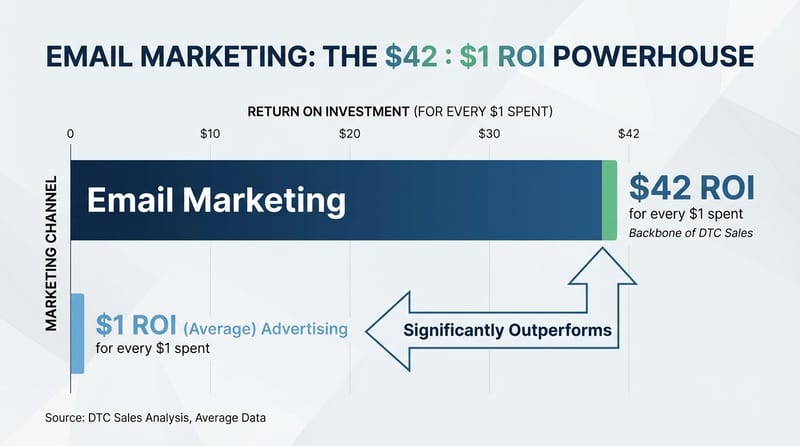
This data point underscores a critical reality: the market does not have a supply problem; it has a filter problem. With millions of titles published annually, the 'quality' of a book is irrelevant if the metadata does not signal relevance to the search engine. The uplift mentioned above is not derived from better prose, but from better signaling.
The Nuance: Semantic SEO vs. Keyword Stuffing
A common failure mode in modern book marketing is the reliance on 'keyword stuffing'—the practice of jamming high-traffic terms into subtitles and descriptions where they do not belong. In 2026, retailer algorithms actively penalize this behavior. The nuance lies in 'Semantic SEO,' which involves weaving related concepts and natural language queries into the book's description and backend keywords.
For example, rather than repeating 'Thriller' five times, a semantic approach would integrate terms like 'psychological suspense,' 'unreliable narrator,' and 'domestic noir.' This creates a broader 'relevance cloud' around the ISBN, allowing the book to surface for a wider array of reader queries without triggering spam filters.
- Subtitle Strategy: Use non-fiction subtitles to solve a problem (e.g., 'How to X'). Use fiction subtitles to establish genre conventions immediately.
- Category Strings: Do not rely on BISAC codes alone; utilize retailer-specific obscure categories to achieve 'Bestseller' flags with lower sales velocity.
- Series Linking: Ensure metadata rigidly links series together; read-through rate is the primary driver of profitability.
The Direct-to-Consumer (DTC) Pivot
Perhaps the most significant structural shift detailed in Miblart's analysis of self-publishing trends is the aggressive move toward direct sales. Relying exclusively on Amazon or Apple Books creates a 'platform risk'—you are a tenant farming on land you do not own. If a retailer changes their payout structure or suspends an account, the business collapses.
DTC is not merely a margin play, though the economics are superior (keeping 90-95% of the cover price vs. 70% or 35%). It is a data play. When a reader buys from Amazon, Amazon owns the customer data. When a reader buys from the author's site, the author owns the email, the purchase history, and the retargeting pixel. This data ownership allows for the creation of 'Lookalike Audiences' on advertising platforms that are significantly more accurate than interest-based targeting.
Implementing a DTC strategy requires a robust technical stack: a Shopify or WooCommerce storefront, integration with print-on-demand services like BookVault or IngramSpark for fulfillment, and a seamless digital delivery system for ebooks (e.g., BookFunnel).
The Nuance: The Friction of Direct Sales
The counter-argument to DTC is friction. Readers are accustomed to the 'one-click' convenience of Amazon. To convert a reader on a private website, the offer must be compelling enough to overcome the inconvenience of entering credit card details. This is rarely achieved with a standard book launch.
Successful authors bridge this gap by offering 'bundles' or exclusive content unavailable elsewhere. This might include signed copies, digital bonus chapters, or early access. The value proposition must shift from 'buy my book' to 'support the creator and get a premium experience.'
"“An author without an email list is an author without a business. You are simply a content supplier for a retailer.”"
Paid Acquisition and Service Selection
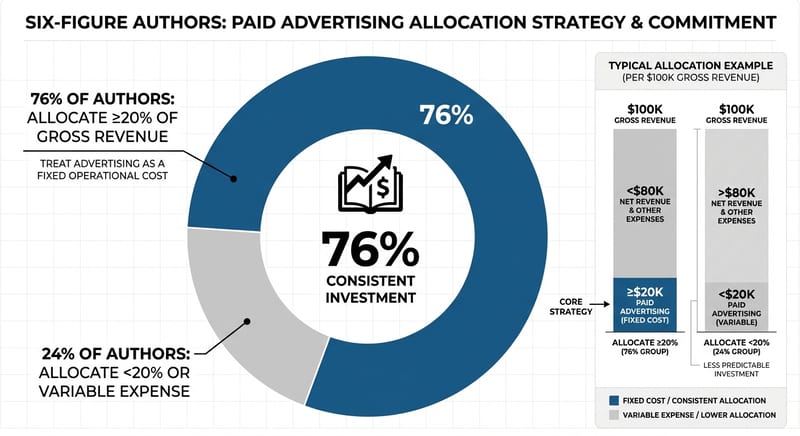
Organic reach on social platforms is effectively dead for commercial purposes. Consequently, a portion of book revenue must be reinvested into paid acquisition. As outlined in the Barker Books review of marketing services, the landscape is divided between 'high-impact' promo sites (like BookBub) and continuous ad platforms (Amazon Ads, Facebook Ads).
The strategy for 2026 involves a hybrid approach. Promo sites are used for 'spikes'—driving rank to achieve bestseller status during a launch or sale. Continuous ads are used for 'maintenance'—ensuring the book remains visible on the 'Also Bought' carousels of competitors. The mistake many authors make is relying on one without the other. Spikes without maintenance lead to a rank freefall; maintenance without spikes rarely generates enough velocity to train the algorithm.
- Amazon Ads: Highest conversion rate, but most expensive CPC. Best for bottom-of-funnel targeting (targeting specific author names).
- Facebook/Instagram Ads: Lower conversion, but massive scale. essential for building the mailing list and retargeting web visitors.
- TikTok/Reels: High variance. Requires 'hook-based' creative video rather than static book covers.
The Nuance: Attribution Modeling
The technical challenge with paid ads, particularly for Amazon sales, is attribution. Amazon's ad dashboard provides data, but it is often delayed and does not account for 'halo sales'—readers who click an ad for Book A but buy Book B, or who read the book via Kindle Unlimited. Authors must look at 'Total Ad Spend' vs. 'Total Royalties' (TACOS - Total Advertising Cost of Sales) rather than obsessing over the ROI of individual keywords.
Furthermore, privacy changes (iOS updates) have degraded the tracking capabilities of Facebook Ads. This reinforces the need for the DTC model mentioned earlier, where attribution is 100% transparent.
Format Diversification: The Audio Frontier
The final pillar of a robust 2026 strategy is format agnosticism. The modern reader is hybrid, consuming ebooks on commutes, audiobooks at the gym, and paperbacks for collection. Limiting a release to print and ebook is leaving upwards of 30% of total revenue on the table. The rise of high-quality AI narration has lowered the barrier to entry for audiobooks, making it a viable option for mid-list authors who previously could not afford $3,000 for a human narrator.
However, quality control is paramount. While AI tools are improving, the 'uncanny valley' effect can alienate listeners. The strategic move is to use human narration for the 'loss leader' (Book 1 in a series) to hook the listener, and potentially utilize high-end AI tools for deep backlist titles that would otherwise never justify the audio production cost.
Ultimately, marketing in 2026 is less about 'shouting' about a book and more about engineering an ecosystem where the book is discoverable, accessible in all formats, and leads the reader into a direct relationship with the author. The tools have changed, but the fundamental requirement—trust—remains absolute.