StoryOrigin Alternatives: 7 Platforms Compared (2026)

A grounded comparison of 7 StoryOrigin alternatives for 2026: Read & Rate, BookFunnel, BookSprout, BookSirens, Hidden Gems, NetGalley, and Voracious Readers Onl
Why look beyond StoryOrigin?
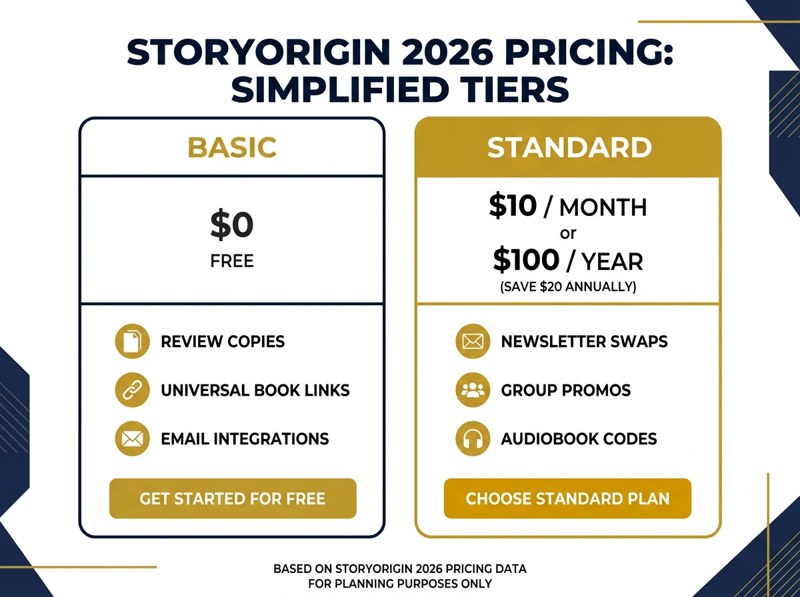
Credit first: StoryOrigin packs an unusual amount into one dashboard. The free Basic plan covers universal book links, email service integrations, and review copy distribution with tracking, and according to its official pricing page the Standard plan runs $10 per month or $100 per year and unlocks newsletter swaps, group promos, and audiobook promo codes. Kindlepreneur's review singles out the review tracking system, which follows up with readers who have not posted yet, as one of the platform's best features. Authors managing several pen names even get a 50 percent lifetime discount on additional yearly accounts.
So why look elsewhere? Three reasons come up repeatedly. First, the swap economy pays in your time: newsletter swaps and review swaps only work if you keep reading, reviewing, and mailing for other authors, and that treadmill competes directly with writing your next book. Second, reviews earned through author to author swaps sit close to the line Amazon draws around incentivized reviews; our guide to Amazon's review rules explains why reciprocal arrangements carry real risk. Third, authors who run their own stores report that StoryOrigin is hard to wire into Shopify or WooCommerce, a gap that matters more every year as direct sales grow.
What should you compare in a StoryOrigin replacement?
- Cost model: free, flat subscription, per reader billing, or swap reciprocity paid in your reading time||Review completion rate: what share of copies claimed actually turn into posted reviews||Where reviews land: Amazon only, Amazon plus Goodreads, or additional platforms you choose||List building: whether the platform collects reader email addresses for you, and at what tier||File security: watermarking and tracked delivery, so advance copies do not leak to piracy sites||Time cost: curated services need minutes per launch, swap platforms need hours per month
Weight these against your real goal. If reader magnets and email growth are the point, delivery infrastructure and email capture matter most. If launch reviews are the point, reviewer pool quality and completion rate decide everything. StoryOrigin does both jobs at a passable level; most alternatives below do one job better. Keep that in mind as you read the seven profiles, and if you want the fundamentals first, start with our complete guide to ARC reviews.
1. Read & Rate: honest community reviews without the swap treadmill
Read & Rate is a community based review platform built for self published authors, and it removes the swap treadmill entirely: you do not have to review other books to receive honest reviews on yours. Security is handled at the file level, since every review copy downloads as an automatically watermarked PDF traceable to the reviewer who claimed it, the same protection we recommend in our book piracy guide. And where most platforms funnel everything to Amazon, reviewers on Read & Rate can post to multiple platforms you select, which spreads your social proof across stores instead of stacking it in one place.
Two features matter for authors who care about craft as much as visibility. Every reviewer leaves a private comment only you can see, candid feedback that never touches your public rating. And the built in community hub works like an exchange floor where authors trade launch tactics and lessons, which is why we profiled it in our guide to author communities. The free trial makes it a no risk first stop before you spend anywhere else.
2. BookFunnel: delivery infrastructure with ARC tools
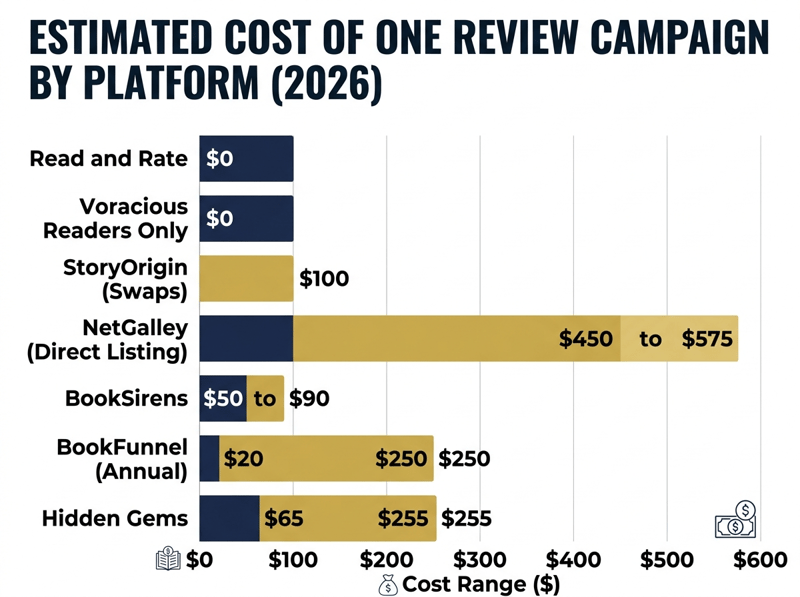
BookFunnel is the closest direct rival, and the trade is depth for breadth: it goes deeper than StoryOrigin on delivery infrastructure, reader device support, and direct sales fulfillment, while skipping the review swap marketplace. After its February 2026 plan update, pricing runs $20 per year for the First Time Author tier with 500 downloads per month, $100 per year for the Mid List tier with secure ARC delivery and email capture, and $250 per year for the Bestseller tier with unlimited downloads.
The catch: BookFunnel brings no reviewer pool of its own. It delivers files beautifully and its group promos build mailing lists fast, but readers do not browse BookFunnel looking for books to review. Note the entry tier trap too: the $20 plan does not collect email addresses, so if list building is the whole point of your reader magnet, your real price is the $100 Mid List plan. As author Dan Padavona's comparison concludes, many wide authors simply run both: BookFunnel for delivery, another platform for reviews.
3. BookSprout: subscription ARC distribution for frequent publishers
BookSprout replaces per campaign spending with a tiered monthly subscription that includes ARC distribution and automatic review tracking across stores. For authors shipping several releases a year, flat pricing changes the economics: the subscription costs the same whether you run one ARC campaign or six. Its reviewer base skews toward romance and genre fiction, and completion enforcement is strict, since readers who fail to review lose access to future copies. We compared it in depth in our BookSprout alternatives guide.
4. BookSirens: pay per reader with a 75 percent completion rate
BookSirens is the transparent pay per result option: a one time $10 listing fee per book, then $2 for each reader the platform matches who downloads your ARC. The platform reports that roughly 75 percent of downloads convert into posted reviews, with an average rating of 4.1 out of 5 across its catalog and a reviewer pool above 50,000. A typical 20 to 40 reader campaign lands between $50 and $90. If you are weighing it seriously, our BookSirens comparison covers the fine print.
5. Hidden Gems: curated, genre matched reviewers
Hidden Gems is the concierge option: a curated service that matches your book to vetted, genre appropriate reviewers and manages the whole distribution for you. Campaign costs scale with reviewer count, roughly $65 to $255 in 2026 according to publishing.co.uk's platform comparisons, with a realistic outcome of 20 to 50 reviews per campaign. You pay for reviewer quality and for getting your own time back. The waiting list in popular genres can stretch weeks, so book your slot early in the launch plan.
6. NetGalley: trade and library reach at a trade price
NetGalley is the only platform here where librarians, booksellers, journalists, and trade reviewers actively browse for titles, with a professional reader base estimated above 400,000. That reach is priced for publishers: a direct six month listing runs roughly $450 to $575, though co op programs through author service companies cut the entry cost substantially. For most fiction launches it is overkill. For nonfiction, book club titles, and authors chasing library orders, it is the only door that opens that market.
7. Voracious Readers Only: a free list of readers, not authors
Voracious Readers Only is free and, unlike swap platforms, its list is made of readers rather than other authors. You list your book, the service matches interested readers manually, and you collect their email addresses along the way, which quietly makes it a list building tool too. The pool is smaller than the big platforms and response rates vary widely by genre. As a zero cost supplement to a stacked campaign, it is hard to argue against; as your only channel, it is too slow.
How do the costs actually compare?
Here is the per campaign math for 2026. Read & Rate and Voracious Readers Only cost nothing to start. StoryOrigin's review copy feature is free, but its swaps cost $100 per year plus the hours you spend reciprocating. BookFunnel runs $20 to $250 per year depending on tier. BookSprout charges a flat monthly subscription regardless of release count. BookSirens lands at $50 to $90 for a typical campaign, Hidden Gems at $65 to $255, and a direct NetGalley listing at $450 to $575. Price the time cost honestly too: a free platform that demands ten hours of reciprocal reading each month is not actually free.
Which platform fits your author profile?
- List builder first, reviews second: BookFunnel Mid List plus Read & Rate. Email capture plus honest reviews, without swap hours||Debut author, no budget: Read & Rate plus Voracious Readers Only, with StoryOrigin's free review copy tier as a third channel||Debut author, $100 to $200 budget: add one BookSirens campaign to the free stack for another 10 to 30 reviews||Series author, several releases per year: BookSprout's subscription plus Read & Rate for multi platform spread||Nonfiction or book club title: NetGalley through a co op program for library reach, stacked with a free community platform||Allergic to subscriptions: BookSirens pay per reader billing, plus the free platforms in parallel
Stacking is normal practice, not a workaround. The same book listed on two or three platforms simply reaches more of the readers who opt into advance copies. If Pubby is also on your shortlist, read our Pubby alternatives comparison before committing, since its credit system shares the same time economics as StoryOrigin swaps.
What do you actually give up by leaving StoryOrigin?
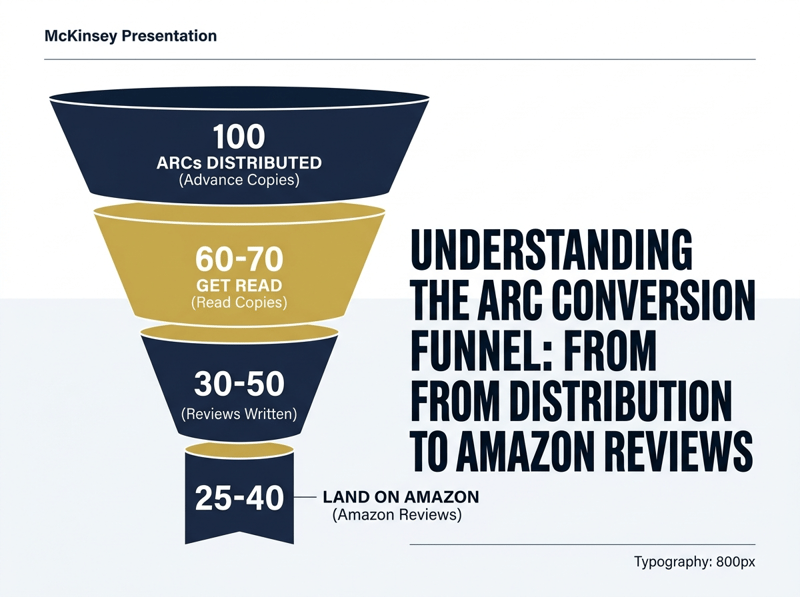
Be honest about the trade. StoryOrigin's newsletter swap marketplace is genuinely unique at its price, and if cross promotion with other authors is producing subscribers for you, keep the free tier active even while your review pipeline moves elsewhere. What you gain by moving is time and distribution: no reciprocal reading obligations, reviews spread across multiple storefronts instead of pooling in one place, and in Read & Rate's case, watermarked files and private feedback the swap model never offered. According to publishing.co.uk's 2026 rule of thumb, distribution volume still decides outcomes: of every 100 advance copies distributed, expect 60 to 70 to be read, 30 to 50 reviews posted, and 25 to 40 landing on Amazon. Whichever platforms you pick, plan your copy count backward from your review target; our review benchmarks guide shows where that target should sit.
How do you migrate from StoryOrigin without losing momentum?
The move takes one afternoon, and you do not have to burn anything down. Start by exporting your existing ARC team: StoryOrigin shows you which readers completed reviews, and those names are the most valuable asset you built there. Set up your book on the new platform first, with the files, review deadline, and store links ready. Then invite your proven reviewers directly by email, so your best readers follow you rather than staying behind on a platform you are leaving. Keep StoryOrigin's free tier active for universal book links and any newsletter swaps that still earn subscribers.
Time the migration around a launch, not during one. Send invitations 4 to 6 weeks before publication day so readers have time to finish, and cap reminders at two: one at the two week mark, one on launch day. By the second book on the new platform, your review team is rebuilt and the swap hours are yours again.
Frequently asked questions
Reviews are still the multiplier
Whichever platform you choose, the underlying strategy does not change: reviews are the multiplier on everything else you do, from ads to pricing to algorithmic visibility. StoryOrigin remains a fine tool for the jobs it does well. But if the swap treadmill is eating your writing time, a free stack built on Read & Rate plus one targeted paid campaign will usually produce more reviews, on more platforms, with fewer hours spent. Start free, measure completion rates, and spend only where the data says it works.